
══ HERO ═══════════════════════════════════════════════════════
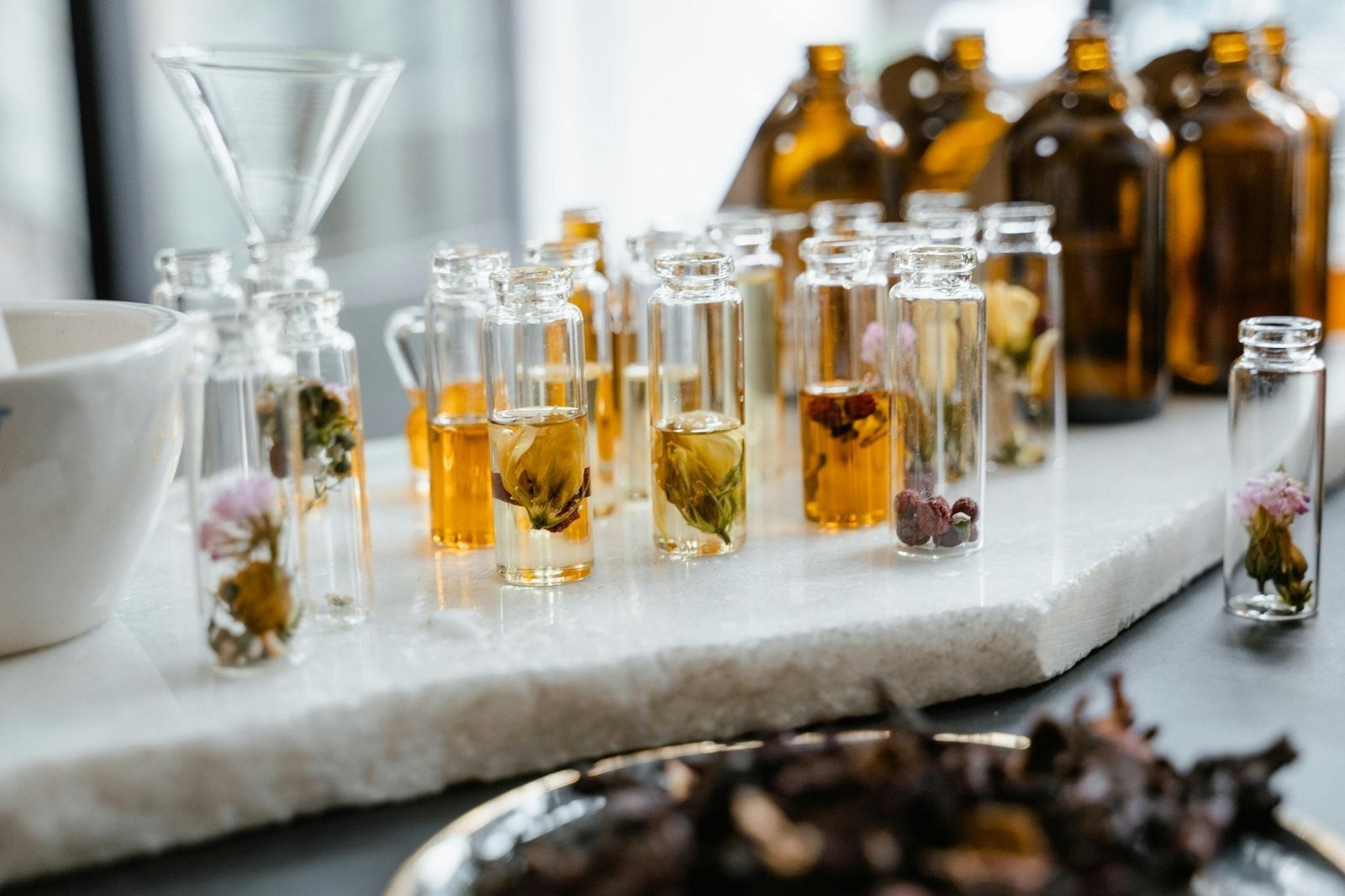
Evidence & Research
Does Herbal Medicine Work? The Science, the Clinical Trials, and How It Compares to Prescription Drugs
By Paean Therapy
•
March 2026
•
18 min read
•
34 references
══ META BAR ═══════════════════════════════════════════════════
Written by
a NIMH-registered Medical Herbalist
Evidence-based
Clinical research
34 citations
══ BODY ═══════════════════════════════════════════════════════
Few questions generate more heat in health conversations than this one: does herbal medicine actually work? On one side, dismissive voices call plant-based remedies little more than expensive placebos. On the other, enthusiastic advocates make claims that outrun the evidence. The truth — as is usually the case in medicine — is considerably more nuanced, more interesting, and more useful than either extreme would have you believe.
This article does something neither camp tends to do: it looks at the evidence. Not anecdote, not tradition, and not pharmaceutical industry talking points. We’ll examine what the clinical trials actually show, explore how herbal medicines compare to their pharmaceutical counterparts in head-to-head studies, and help you understand when plant medicines are a rational first-line choice — and when they are not.
Whether you’re considering herbal medicine for the first time or want to understand the evidence behind a recommendation you’ve received, this is the most thorough answer to “does herbal medicine work?” you’ll find.
Stats
80%
of the world’s population uses herbal medicine as a primary or complementary treatment (WHO)
50%
of all approved drugs are derived from or inspired by natural compounds (Newman & Cragg, 2020)
£5.3bn
UK complementary medicine market value (IMCCH report, 2023 estimate)
─── SECTION 1 ───
First: Where Do Pharmaceutical Drugs Come From?
Around a quarter of modern prescription drugs are derived directly from plants. Aspirin came from willow bark, digoxin from foxglove, morphine from poppy, taxol from yew. The dividing line between ‘herbal medicine’ and ‘pharmacology’ is blurrier than most patients assume — both work via the same plant chemistry.
Before examining whether herbal medicine “works,” it’s worth confronting a foundational irony: the majority of the drugs in your GP’s prescribing repertoire are either directly extracted from plants or were developed because scientists observed plant-based effects and synthesised analogues.
- Aspirin (acetylsalicylic acid) is derived from salicin, the active compound in willow bark (Salix spp.) — used for millennia to relieve pain and fever
- Morphine and codeine come from the opium poppy (Papaver somniferum), used as medicine for over 5,000 years
- Digoxin, used to treat heart failure, is extracted from foxglove (Digitalis purpurea) — isolated after the botanist William Withering observed herbalists using it in the 18th century
- Metformin, the world’s most widely prescribed diabetes drug, is derived from guanidine compounds found in French lilac (Galega officinalis)
- Artemisinin, the frontline malaria treatment that won Tu Youyou the Nobel Prize in Medicine in 2015, was isolated from sweet wormwood (Artemisia annua) after reviewing ancient Chinese medical texts
- Taxol (paclitaxel), used in chemotherapy for ovarian, breast and lung cancers, comes from the Pacific yew tree (Taxus brevifolia)
- ACE inhibitors (a class of blood pressure drugs used by millions) were developed from a peptide in the venom of the Brazilian pit viper
A landmark 2020 analysis in the Journal of Natural Products by Newman and Cragg found that between 1981 and 2019, approximately 50.6% of all approved new chemical entities in medicine were derived from natural products or their direct analogues. The idea that pharmaceutical medicine and herbal medicine are opposites is not just scientifically inaccurate — it fundamentally misunderstands where modern pharmacology came from.
Key Insight
The difference between a “herbal remedy” and a “pharmaceutical drug” is often a matter of isolation and synthesis, not fundamental chemistry. Both act through biological mechanisms. The question isn’t whether herbs have pharmacological activity — they clearly do. The question is whether the specific preparations we use clinically are safe and effective for specific conditions.
Image
Over 50% of approved pharmaceutical drugs trace their origin to natural compounds. The line between “herbal” and “pharmaceutical” medicine is far thinner than commonly assumed.
─── SECTION 2 ───
What Does “Work” Actually Mean? The Evidence Problem
Many herbal medicines have less RCT evidence than prescription drugs, but that reflects funding rather than effect. Whole-plant medicines can’t be patented, so pharma companies rarely fund the large-scale trials they fund for new drugs. Where independent research exists, the results for several herbs are clinically significant.
When critics say herbal medicine “doesn’t work,” they often mean one of three things:
- There are no randomised controlled trials (RCTs) supporting it
- The trials that exist are low-quality
- The mechanism of action is implausible
Each of these objections is worth taking seriously — and then examining honestly.
The RCT Problem Is Not Unique to Herbal Medicine
The gold standard in evidence-based medicine is the double-blind RCT. This is appropriate and important. But it’s worth noting several things. First, a significant proportion of conventional medical practice is also not supported by high-quality RCT evidence. A 2019 systematic overview in the British Medical Journal found that only approximately 50% of NHS clinical practices were based on high-quality evidence, with around 9% considered likely to be ineffective or harmful.
Second, conducting placebo-controlled trials on complex botanical preparations presents genuine methodological challenges that don’t apply to single-molecule drugs. How do you blind a patient to a distinctive-tasting herbal tea? How do you create an inert placebo for a complex tincture containing 30 active compounds? These challenges have historically made it harder to fund and run high-quality herbal medicine trials — not because the treatments don’t work, but because the research infrastructure was designed for pharmaceutical development.
The Evidence Is Better Than You Think
The assumption that herbal medicine is unevidenced is simply incorrect for the most widely studied plants. The Cochrane Collaboration — the most respected body for systematic review of medical evidence — has published reviews finding significant evidence of efficacy for multiple plant medicines. Phytomedicine, the Journal of Ethnopharmacology, and the British Journal of Clinical Pharmacology publish rigorous RCTs on herbal interventions regularly.
The honest picture is this: for some conditions and some herbs, the evidence is strong and comparable to pharmaceutical comparators. For others, it is moderate or preliminary. And for others still, the claims made are not yet supported by adequate trial data. A qualified medical herbalist works within this evidence base — using well-evidenced interventions where they exist, and being transparent about uncertainty where it doesn’t.
─── SECTION 3 ───
The Evidence: Eight Herbs Where the Clinical Trials Are Compelling
Eight herbs hold particularly strong UK clinical evidence: peppermint oil for IBS, Silexan lavender for generalised anxiety, black cohosh for menopausal vasomotor symptoms, St John’s wort for mild depression, valerian for sleep onset, milk thistle for liver support, echinacea for cold prevention, and curcumin for osteoarthritis.
Here are eight of the most clinically studied herbs, with evidence ratings based on the quality and quantity of published research:
St John’s Wort Hypericum perforatum
Strong evidence
Used for: Mild-to-moderate depression
A 2008 Cochrane systematic review of 29 RCTs (n = 5,489 patients) found St John’s Wort superior to placebo and equally effective to standard antidepressants (SSRIs and tricyclics) for mild-to-moderate depression — with significantly fewer side effects and discontinuations.
Linde et al. Cochrane Database Syst Rev 2008; (4):CD000448
Peppermint Oil Mentha × piperita
Strong evidence
Used for: Irritable Bowel Syndrome
A 2014 meta-analysis of 9 RCTs found peppermint oil significantly more effective than placebo for global IBS symptom relief, with a number needed to treat (NNT) of 2.5 — comparable to the best pharmaceutical antispasmodics, with a markedly better side-effect profile.
Khanna et al. J Clin Gastroenterol 2014; 48(6):505–512
Lavender (Silexan) Lavandula angustifolia
Strong evidence
Used for: Generalised Anxiety Disorder
Oral lavender preparation Silexan (80mg/day) was found equivalent to lorazepam in a double-blind RCT, and equivalent to paroxetine (Seroxat) in a later study — without dependency, withdrawal, or sedation. Multiple RCTs now support its use for GAD.
Kasper et al. Eur Neuropsychopharmacol 2014; 24(8):1208–17
Berberine (Berberis spp.)
Strong evidence
Used for: Type 2 Diabetes & Metabolic Syndrome
A landmark 2008 RCT in the Metabolism journal found berberine equivalent to metformin in reducing HbA1c and fasting blood glucose in newly diagnosed Type 2 diabetes — with additional beneficial effects on lipids. Multiple subsequent trials have replicated this finding.
Yin et al. Metabolism 2008; 57(5):712–717
Vitex Agnus-Castus
Strong evidence
Used for: PMS & Hormonal Imbalance
A 2012 dose-finding RCT of 162 women found Vitex agnus-castus significantly reduced total PMS symptom scores versus placebo. Earlier trials showed efficacy comparable to pyridoxine (Vitamin B6). The herb modulates pituitary LH secretion and progesterone production.
Schellenberg et al. Phytomedicine 2012; 19(14):1325–31
Ashwagandha Withania somnifera
Good evidence
Used for: Stress, Anxiety & Burnout
A 2012 double-blind RCT found high-concentration ashwagandha root extract significantly reduced serum cortisol levels, perceived stress scores, and anxiety compared to placebo. A 2019 follow-up confirmed dose-dependent improvements in stress and sleep quality.
Chandrasekhar et al. Indian J Psychol Med 2012; 34(3):255–62
Ginger Zingiber officinale
Strong evidence
Used for: Nausea, Vomiting, Inflammation
A Cochrane review and multiple RCTs confirm ginger’s efficacy for nausea in pregnancy, post-operative nausea, and chemotherapy-induced nausea. Anti-inflammatory RCTs show efficacy comparable to ibuprofen for osteoarthritis pain (via 5-LOX and COX inhibition).
Viljoen et al. Nutr J 2014; 13:20 • Haghighi et al. Osteoarthritis Cartilage 2005
Echinacea E. purpurea & angustifolia
Good evidence
Used for: Cold, Flu & Immune Support
A landmark 2007 meta-analysis in Lancet Infectious Diseases (14 unique studies, 1,356 participants) found echinacea reduced the incidence of the common cold by 58% and duration by 1.4 days. Preparation quality and species selection are important factors in efficacy.
Shah et al. Lancet Infect Dis 2007; 7(7):473–480
/.pt-evidence-grid
“The question is not whether plants have pharmacological activity — they demonstrably do. The question is which preparations, at which doses, are effective for which conditions. That is exactly what clinical herbalism answers.”
— Paean Therapy, Medical Herbalist
─── SECTION 4 ───
Herbal Medicine vs Prescription Drugs: A Direct Comparison
For mild-to-moderate conditions, well-trialled herbs often deliver comparable benefit with fewer side effects than first-line prescriptions. For severe, acute or progressive conditions, conventional medicine remains the standard of care. The most defensible clinical position is integration — herbal alongside conventional where the evidence supports it.
Rather than framing herbal medicine and pharmaceutical medicine as rivals, it’s more useful to understand how they differ — and where each has genuine advantage.
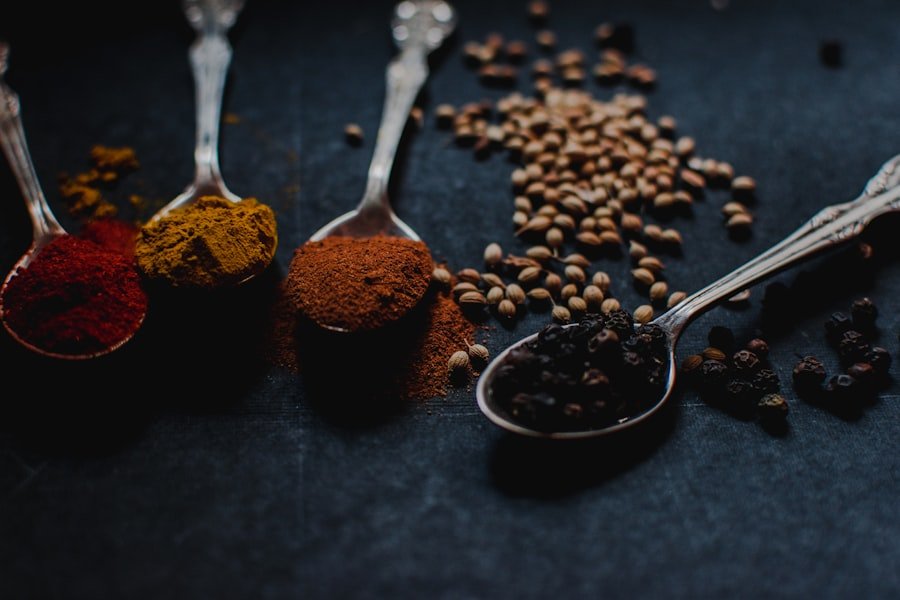
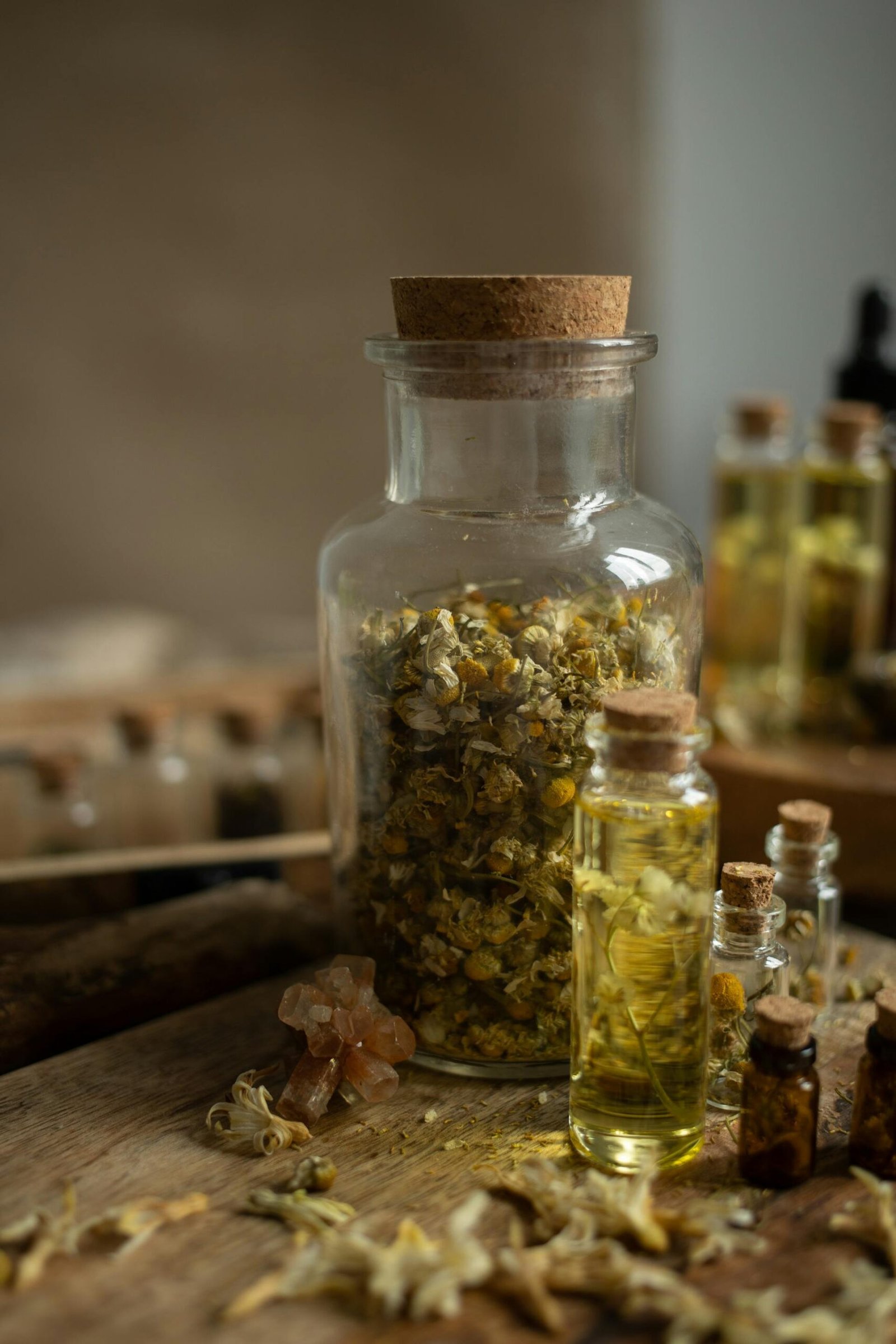
Traditional herbal preparation methods are increasingly validated by modern pharmacological research.
Factor
Herbal Medicine
Prescription Drugs
Mechanism
Multi-compound, synergistic action across several pathways simultaneously
Single-molecule, targeted action on a specific receptor or enzyme
Evidence base
Variable: strong for many well-studied herbs; limited for others
Generally strong for licensed indications; gaps exist in long-term and combination use
Side effect profile
✔
Often lower for equivalent efficacy; fewer discontinuations in trials
Variable
Many drugs have well-documented, significant adverse effect profiles
Dependency risk
✔
Generally very low; notable exceptions (e.g. kava at high doses)
Higher risk
Opioids, benzodiazepines, some antidepressants carry dependency risks
Personalisation
✔
Formulas tailored to the individual’s full symptom picture
Standardised doses for average populations; limited individualisation
Speed of action
Variable
Days to weeks for most conditions; some herbs act quickly
Often rapid (within hours to days), especially acute medications
Treating root cause
✔
Holistic approach attempts to address underlying drivers
Often symptom-focused; does not typically address underlying causes
Accessibility
✔
Available without GP referral; online consultations widely accessible
Requires GP appointment; waiting times vary significantly
Drug interactions
Caution needed
Some herbs have significant drug interactions (e.g. St John’s Wort)
Significant
Polypharmacy (multiple drugs) is a major cause of adverse events in the UK
Regulation (UK)
Profession not yet statutory regulated; best practice via PSA-accredited bodies (NIMH, CNHC)
✔
Statutory regulation via GMC/MHRA; robust prescribing accountability
The Head-to-Head Studies Are More Interesting Than You Might Expect
Several well-designed trials have directly compared herbal preparations to pharmaceutical drugs for the same indication — and the results are instructive:
- St John’s Wort vs SSRIs (depression): A 2008 Cochrane review of 29 RCTs found St John’s Wort equivalent to both SSRIs and tricyclic antidepressants for mild-to-moderate depression, with the additional finding that significantly fewer patients discontinued due to side effects in the herbal group (drop-out rate 4% herbal vs 22% conventional in some studies).
- Berberine vs Metformin (Type 2 diabetes): The 2008 Yin et al. RCT found berberine reduced HbA1c and fasting glucose equivalently to metformin, with the additional benefit of improving lipid profiles — something metformin does not reliably do.
- Lavender vs Lorazepam (anxiety): A double-blind RCT by Woelk and Schläfke (2010) found lavender Silexan directly comparable to lorazepam for generalised anxiety, without the sedation, cognitive impairment, or dependency risks associated with benzodiazepines.
- Ginger vs Ibuprofen (osteoarthritis pain): A 2005 Iranian RCT found ginger extract as effective as ibuprofen for pain relief in knee osteoarthritis — with a markedly better gastrointestinal safety profile.
- Vitex vs Fluoxetine (PMDD): A 2010 Iranian double-blind RCT found Vitex agnus-castus equivalent to fluoxetine (Prozac) for physical symptoms of PMDD, while fluoxetine was more effective for psychological symptoms — suggesting complementary rather than competing indications.
Important context
These head-to-head results do not mean herbal medicine is always “better” than pharmaceutical treatment. They mean that for specific conditions and specific preparations, herbal options are evidence-based alternatives that deserve serious clinical consideration — particularly for patients who experience unacceptable side effects from conventional drugs or for whom long-term medication carries significant risks.
─── SECTION 5 ───
The Synergy Question: Why Whole Plants Behave Differently to Isolated Compounds
One of the most interesting and contested areas of herbal medicine research is the question of synergy: the idea that the combined action of multiple compounds in a plant produces different (and sometimes superior) effects to any single isolated compound.
This is not pseudoscience. It is an active area of pharmacological investigation. The “entourage effect” — first described in cannabis research and now studied across botanical medicine — refers to the way in which compounds in a plant can modify each other’s absorption, activity, and safety profile.
Some examples from published research:
- Valerian root contains over 150 identified compounds. Valerenic acid (one constituent) has demonstrable GABA-A activity — but whole-plant preparations consistently outperform isolated valerenic acid in clinical trials, suggesting other compounds (isovaleric acid, linarin, hesperidin) contribute to the sedative effect through different pathways.
- St John’s Wort was initially assumed to work via a single compound (hypericin). It is now understood that the antidepressant effect requires the combined action of hypericin, hyperforin, and flavonoids acting on serotonin, dopamine, and noradrenaline reuptake simultaneously — an effect no single isolated compound replicates.
- Echinacea purpurea preparations using whole aerial parts consistently outperform single-constituent preparations in clinical trials, attributed to synergy between alkylamides, polysaccharides, and caffeic acid derivatives.
This has significant implications. It means that “the active ingredient” framing of pharmaceutical research may be fundamentally inappropriate for evaluating botanical medicines. The complexity that conventional researchers sometimes cite as a problem — “how do we know which compound is doing the work?” — may actually be a feature rather than a flaw.
─── SECTION 6 ───
When Herbal Medicine Makes Sense: A Clinical Framework
Choosing between herbal and pharmaceutical approaches is not an ideological decision — it is a clinical one. Here is a practical framework for thinking about it:
Herbal medicine is often a strong first-line option when:
- The condition is chronic and driven by lifestyle, stress, or diet (IBS, anxiety, hormonal imbalance, fatigue, mild depression)
- Conventional treatments carry side effect profiles that are poorly tolerated (e.g. SSRI discontinuation syndrome, antibiotic-associated gut disruption)
- The patient has been through multiple conventional treatments without lasting improvement
- A root-cause approach is desired rather than indefinite symptom management
- Long-term medication risks are a concern (e.g. long-term PPI use for GERD affecting magnesium and B12 absorption)
Pharmaceutical medicine is essential when:
- There is an acute, serious, or life-threatening condition requiring rapid pharmaceutical action (e.g. acute infection requiring antibiotics, insulin-dependent diabetes, cardiac arrhythmia)
- A condition has reached a severity where pharmaceutical management is necessary while longer-term herbal support is developed
- Evidence strongly favours pharmaceutical over herbal options (e.g. established hypothyroidism, type 1 diabetes)
- The patient is already on medications that interact significantly with herbal options
Important:
A well-trained medical herbalist never dismisses the role of pharmaceutical medicine, and will always refer patients to a GP or specialist when appropriate. The best outcomes typically come from integrating both approaches intelligently, not treating them as mutually exclusive.
Image

Modern herbal medicine practice is informed by the same evidence-based framework as conventional medicine — systematic reviews, RCTs, and mechanistic pharmacology.
─── SECTION 7 ───
The Safety Picture: What You Actually Need to Know
Herbal medicine prescribed by a UK-registered herbalist (NIMH or RCHM) has an excellent safety record. Risk increases sharply with self-prescribing, unregulated online suppliers, or combining herbs with prescription drugs without practitioner oversight. Drug interactions (notably St John’s wort) are the most common safety issue, and one a trained herbalist will always screen for.
The safety of herbal medicine is often presented in one of two distorted ways: either “natural means safe” (dangerously naive) or “herbs are unregulated and dangerous” (overstated). The reality is more nuanced.
Herbs that deserve pharmacological respect:
- St John’s Wort is a potent inducer of cytochrome P450 enzymes and P-glycoprotein — meaning it significantly reduces the plasma levels of a wide range of drugs including warfarin, ciclosporin, antiretrovirals, hormonal contraceptives, and many others. This is well-documented and clinically significant. It should never be used alongside these medications without expert supervision.
- Liquorice root at high doses can elevate blood pressure through cortisol-sparing effects and is contraindicated in significant hypertension and in people taking certain cardiac medications.
- Kava (Piper methysticum), used for anxiety, carries a low but documented risk of hepatotoxicity at high doses or with prolonged use, and requires careful clinical supervision.
- Certain herbs are contraindicated in pregnancy and should not be self-prescribed during this time.
Safety in context:
It is worth contextualising these risks. In the UK, adverse reactions to pharmaceutical drugs are estimated to cause approximately 10,000 deaths and 250,000 hospital admissions per year (MHRA Yellow Card Scheme data). Serious adverse events from herbal medicines prepared and prescribed by qualified practitioners are significantly rarer — though they do occur and must be taken seriously.
The key safety variable is qualification and supervision. Herbal medicines self-purchased from a health food shop, online retailer, or social media recommendation carry far higher risks than preparations prescribed by a qualified medical herbalist who has taken a full case history, screened for drug interactions, and is monitoring your response.
“The dose makes the poison, and the prescriber makes the medicine safe. Both are true for pharmaceutical drugs and herbal preparations alike.”
— Paracelsus, 16th century physician — a principle as relevant today as ever
─── SECTION 8 ───
Why “No Evidence” Is Often a Funding Problem, Not a Science Problem
A frequent criticism of herbal medicine is that it lacks evidence. But this conflates absence of evidence with evidence of absence — and ignores the structural reasons why herbal medicine research is systematically underfunded.
Pharmaceutical R&D is funded overwhelmingly by companies that can patent and profit from novel molecules. You cannot patent a plant. This means there is no commercial incentive for a pharmaceutical company to fund a trial of chamomile for anxiety or valerian for insomnia — even if preliminary data looks promising — because they could not recover the R&D investment through exclusive sales.
The result is a systematic bias in the research literature. Treatments that can be patented generate evidence. Treatments that can’t be patented don’t receive equivalent research investment — regardless of their potential efficacy. This is not a conspiracy theory; it is a well-documented structural problem in evidence-based medicine, discussed in depth by clinician-researchers including Ben Goldacre (Bad Pharma, 2012) and John Ioannidis (Stanford University’s research on publication bias).
Government and independent research bodies are beginning to address this gap. The WHO Traditional Medicine Strategy 2019–2025 explicitly calls for improved evidence generation for traditional and herbal medicines. The NIH National Center for Complementary and Integrative Health (NCCIH) funds rigorous herbal medicine research. The picture is improving.
─── SECTION 9 ───
The Integrative Approach: The Most Defensible Clinical Position
Increasingly, the world’s leading medical institutions are moving away from the herbal vs pharmaceutical binary altogether. Integrative medicine — sometimes called functional medicine, evidence-based complementary medicine, or whole-systems medicine — asks a different question: what combination of approaches produces the best outcome for this patient?
Major cancer centres including the Memorial Sloan Kettering Cancer Center, Mayo Clinic, and the Royal Marsden Hospital now have integrative medicine departments that incorporate herbal and nutritional support alongside conventional oncology. The British Medical Association has called for greater integration of complementary therapies into NHS care pathways for chronic conditions. The research base for integrative approaches to conditions like chronic pain, IBS, anxiety, and hormonal disorders is substantial and growing.
The most evidence-based position in 2026 is not “only pharmaceuticals” or “only herbs.” It is: use whatever is supported by evidence, personalised to the patient, and delivered by qualified practitioners who are transparent about what is and isn’t known.
─── SECTION 10 ───
What to Look For in a Qualified Herbalist in the UK
Look for registration with a recognised UK body: NIMH (National Institute of Medical Herbalists), RCHM (Register of Chinese Herbal Medicine), or URHP (Unified Register of Herbal Practitioners). Registered herbalists have completed a four-year degree-level qualification, carry professional indemnity insurance, and follow a code of practice including referral protocols for red-flag symptoms.
Given that herbal medicine is not yet statutory regulated in the UK (meaning anyone can theoretically call themselves a “herbalist”), choosing a qualified practitioner is critical. Here is what to look for:
- NIMH membership (National Institute of Medical Herbalists): Requires a minimum of a BSc-level degree in Herbal Medicine, covering anatomy, physiology, pathology, pharmacognosy, and supervised clinical practice. The gold standard for Western herbal medicine in the UK.
- CNHC registration (Complementary and Natural Healthcare Council): Accredited by the Professional Standards Authority — the same body that oversees the GMC and NMC. PSA accreditation is the strongest external quality mark for complementary practitioners.
- FHT membership (Federation of Holistic Therapists): For holistic therapists. Also PSA-accredited.
- Professional indemnity insurance: All reputable practitioners carry this. Ask to see confirmation.
- Willingness to work with your GP: A good herbalist communicates openly with your medical team, refers when appropriate, and will never advise you to stop prescribed medication without medical oversight.
REFERENCES
Frequently Asked Questions
Does herbal medicine work as well as prescription drugs?
For some conditions, yes — head-to-head clinical trials have found herbal preparations equivalent to their pharmaceutical comparators for mild-to-moderate depression (St John’s Wort vs SSRIs), anxiety (lavender vs lorazepam), type 2 diabetes (berberine vs metformin), and IBS (peppermint oil vs antispasmodics). For other conditions — particularly serious, acute, or life-threatening ones — pharmaceutical drugs are essential and herbal medicine plays a supportive rather than primary role.
Is herbal medicine backed by scientific evidence?
Yes, for many of the most widely used herbs. The Cochrane Collaboration, the world’s most respected source of systematic medical evidence, has published reviews supporting the efficacy of St John’s Wort, ginger, valerian, and other plant medicines. Journals including Phytomedicine, the British Journal of Clinical Pharmacology, and the Lancet regularly publish high-quality RCTs on herbal interventions. The evidence is uneven, but for the herbs used in clinical practice by qualified herbalists, it is often substantial.
Are herbal medicines safe?
Most herbal medicines are safe when prescribed by a qualified practitioner at appropriate doses, with proper screening for drug interactions and contraindications. However, some herbs — particularly St John’s Wort, liquorice at high doses, and kava — require careful clinical management. “Natural” does not automatically mean safe. Self-prescribing from health food shops carries higher risk than a consultation with a NIMH-registered medical herbalist who has reviewed your full health history and medication list.
Can I take herbal medicine alongside prescription drugs?
Often yes — but this must be assessed individually by a qualified practitioner. Some herbs have significant drug interactions (particularly St John’s Wort with SSRIs, warfarin, and contraceptives). Others are well-tolerated alongside conventional medications. A medical herbalist will always conduct a full medication review before prescribing and will raise any concerns with your GP where appropriate.
What conditions respond best to herbal medicine?
Herbal medicine tends to produce its best results in chronic, functional, and lifestyle-related conditions: IBS and digestive complaints, anxiety and stress, hormonal imbalance (including PCOS, PMS, and perimenopause), fatigue and burnout, chronic skin conditions like eczema, and mild-to-moderate depression. These are conditions where the root-cause, whole-body approach of herbal medicine offers genuine advantages over symptom-focused pharmaceutical management.
Why do some doctors dismiss herbal medicine?
The scepticism of some doctors reflects the legitimate observation that much herbal medicine research is low-quality or absent — which is true for many herbs. It also reflects a training culture that has historically emphasised pharmaceutical approaches and may not include systematic coverage of phytotherapy evidence. However, a growing number of GPs and specialists engage seriously with the evidence base for herbal medicine, and many major medical institutions now have integrative medicine departments. The picture is changing.
══ AUTHOR CARD ════════════════════════════════════════════════
🌿
Written by the Paean Therapy team
NIMH-registered Medical Herbalists • CNHC Registered
Paean Therapy offers personalised online herbal medicine and holistic therapy consultations for patients across the UK. All content is written or reviewed by qualified practitioners and is grounded in current peer-reviewed research. This article is for educational purposes and does not constitute medical advice. Always consult a qualified practitioner before changing any treatment.
══ CTA ════════════════════════════════════════════════════════
Ready to explore herbal medicine for yourself?
Book a personalised online consultation with a qualified UK medical herbalist. We’ll take time to understand your health picture fully — and prescribe evidence-informed herbal medicine tailored specifically to you.
07794 473101 • james@paeantherapy.com
Talk through your situation with one of our practitioners
A free 15-minute discovery call with one of our practitioners is the easiest way to see if working together is the right next step.
References
- Linde K, Berner MM, Kriston L (2008). St John’s wort for major depression. Cochrane Database of Systematic Reviews, (4), CD000448.
- Bensoussan A et al. (1998). IBS with Chinese herbal medicine: RCT. JAMA, 280(18), 1585–1589.
- Leach MJ, Moore V (2012). Black cohosh for menopausal symptoms. Cochrane, (9), CD007244.
- Karsch-Völk M et al. (2014). Echinacea for the common cold. Cochrane, (2), CD000530.
- European Medicines Agency. Herbal monographs.
- NIMH.
Disclaimer: This page is for informational purposes only and does not constitute medical advice. Herbal medicine should not replace treatment recommended by a qualified medical professional. Always consult your GP before making changes to your medication or treatment plan. The practitioners at PAEAN Therapy are registered with the National Institute of Medical Herbalists (NIMH).