
PAEAN evidence guide · Written and reviewed by registered UK practitioners
Herbal Medicine: A Beginner’s Guide
Curious about herbal medicine but not sure where to start? This beginner’s guide explains what herbal medicine is, what to expect from a consultation, the most commonly used herbs and how to find a qualified herbalist in the UK.
01 · The practice
A 5,000-year-old practice meeting modern evidence.
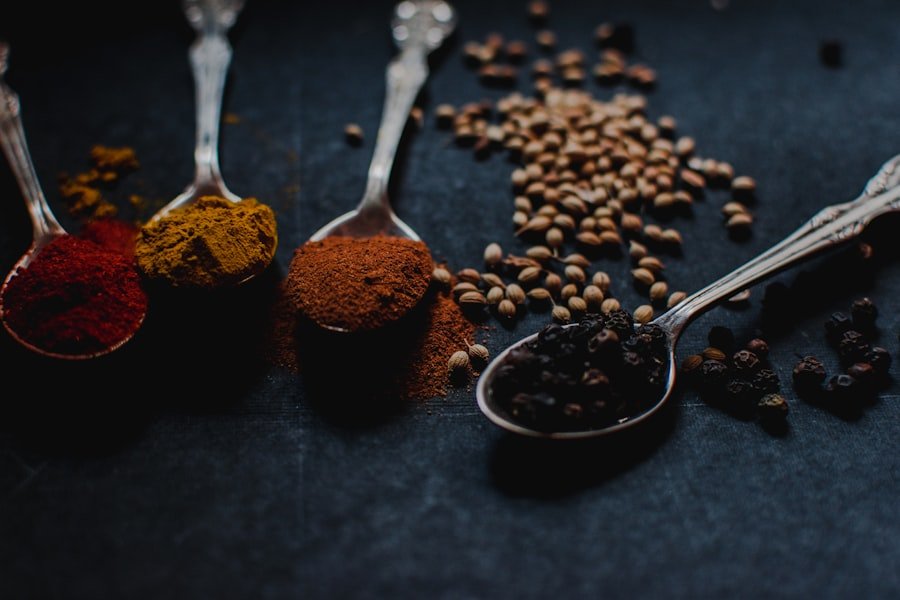
Curious about herbal medicine but not sure where to start? This beginner’s guide explains what herbal medicine is, what to expect from a consultation, the most commonly used herbs and how to find a qualified herbalist in the UK.
Working with a registered PAEAN practitioner means a tailored protocol that addresses the underlying cause, not just the symptoms.
“Around 80% of the world’s population uses herbal medicine as part of their primary healthcare.”
WHO Global Report on Traditional Medicine, 2019
02 · How it works
How herbal medicine actually works.
01
Tailored protocol
Each formula is matched to the individual, not just the diagnosis.
02
Root-cause approach
The aim is to address the underlying cause, not just suppress symptoms.
03
Evidence-informed
Where good clinical evidence exists, it guides the protocol.
04
Coordinated care
Treatment is coordinated with any conventional care you receive.
By the numbers
The numbers behind herbal practice.
5,000
Years of documented herbal practice
80%
Of the world uses herbal medicine (WHO)
3-4
Years NIMH degree training
25%
Of modern drugs derived from plants
03 · The herbs at work
A handful of well-evidenced herbs.
Anti-inflammatory
Turmeric
Curcuminoids modulate inflammatory cascades across joints, gut and skin. Research →
Immune modulator
Echinacea
Activates innate immunity for short-course use at the first sign of cold or flu. Research →
Adaptogen
Withania
Modulates the HPA axis, supporting resilience to stress and restorative sleep. Research →
04 · What to expect
How a course of treatment unfolds in our practice.
01
Discovery call
A free 15-minute video call to see whether herbal medicine is right for your situation.
02
Initial consultation
60-90 minutes with a registered medical herbalist taking your full health history.
03
Tailored protocol
A bespoke formula combining 4-8 herbs in specific ratios — prepared and sent to your door.
04
Follow-up & review
Progress monitored every 3-4 weeks; the protocol adjusts as your health evolves.
Safety note
Herbal medicine is a regulated discipline in the UK. Always work with a registered practitioner — NIMH (medical herbalists), ARH, RCHM, BAcC (acupuncture) or the Faculty of Homeopathy — rather than self-treating. Tell your GP about any herbal treatment, especially if you take SSRIs, anticoagulants, contraceptives, immunosuppressants or thyroid medication.
05 · Frequently asked
Common questions about herbal medicine.
Do I need a referral from my GP?
No — you can book directly with a herbalist. It’s good practice to inform your GP you are seeking herbal treatment.
How much does herbal medicine cost?
An initial consultation is typically £70–£120; follow-ups £45–£70. Herbs are an additional cost.
Can I combine herbal medicine with the NHS?
Absolutely — herbal medicine works best as a complement to NHS care, not a replacement.
What conditions can herbal medicine treat?
A very wide range — from IBS and hormonal issues to skin conditions, stress and chronic fatigue.
Curious whether a herbalist could help with your situation?
A free 15-minute discovery call is the no-pressure way to find out.