
Traditional Chinese Medicine (TCM) is one of the world’s oldest and most comprehensive medical systems, with a continuous history of over 2,500 years. Far from being a single therapy, TCM encompasses acupuncture, herbal medicine, dietary therapy, cupping, moxibustion, and mind-body practices — all unified by a sophisticated framework for understanding health, disease, and the human body’s relationship to the natural world. In the UK, interest in TCM has grown significantly as people seek approaches that address the whole person rather than isolated symptoms.
The Foundations of TCM: Qi , Yin, Yang, and the Five Elements
TCM is built on the concept of Qi (vital energy) flowing through channels called meridians that connect the organs and tissues of the body. Health is understood as the harmonious, unobstructed flow of Qi and the dynamic balance of opposing forces — Yin and Yang. When Qi is depleted, stagnant, or out of balance, disease arises. The Five Elements framework (Wood, Fire, Earth, Metal, Water) further maps relationships between organs, emotions, seasons, and bodily functions, providing a rich diagnostic lens that Western medicine does not offer.
Acupuncture: The Most Widely Recognised TCM Therapy
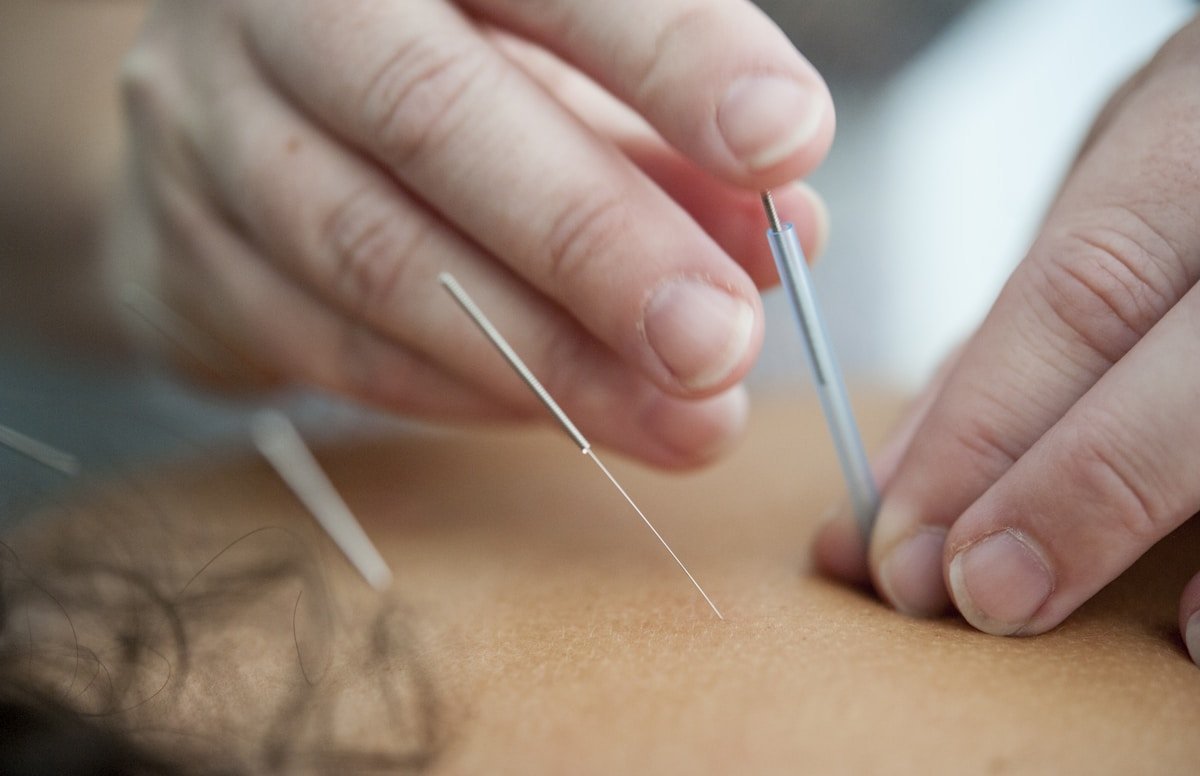
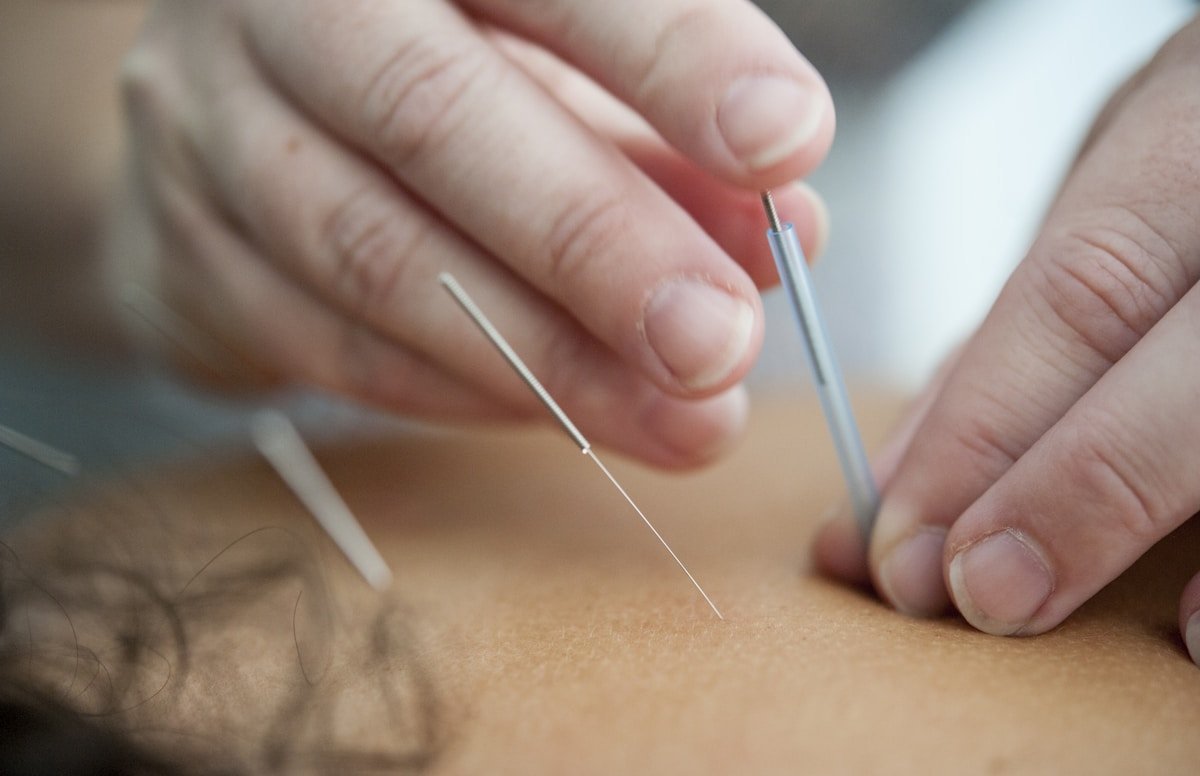
Acupuncture involves the insertion of fine, sterile needles into specific points along the body’s meridians to regulate the flow of Qi, reduce pain, and restore balance. Contemporary research has investigated acupuncture for a wide range of conditions. It is perhaps best supported for pain management — chronic back pain, neck pain, headaches, and osteoarthritis — with growing evidence also for fertility support, menstrual irregularities, anxiety, insomnia, and digestive complaints. Online consultations can include guidance on acupressure self-care techniques that you can apply between sessions.
Chinese Herbal Medicine
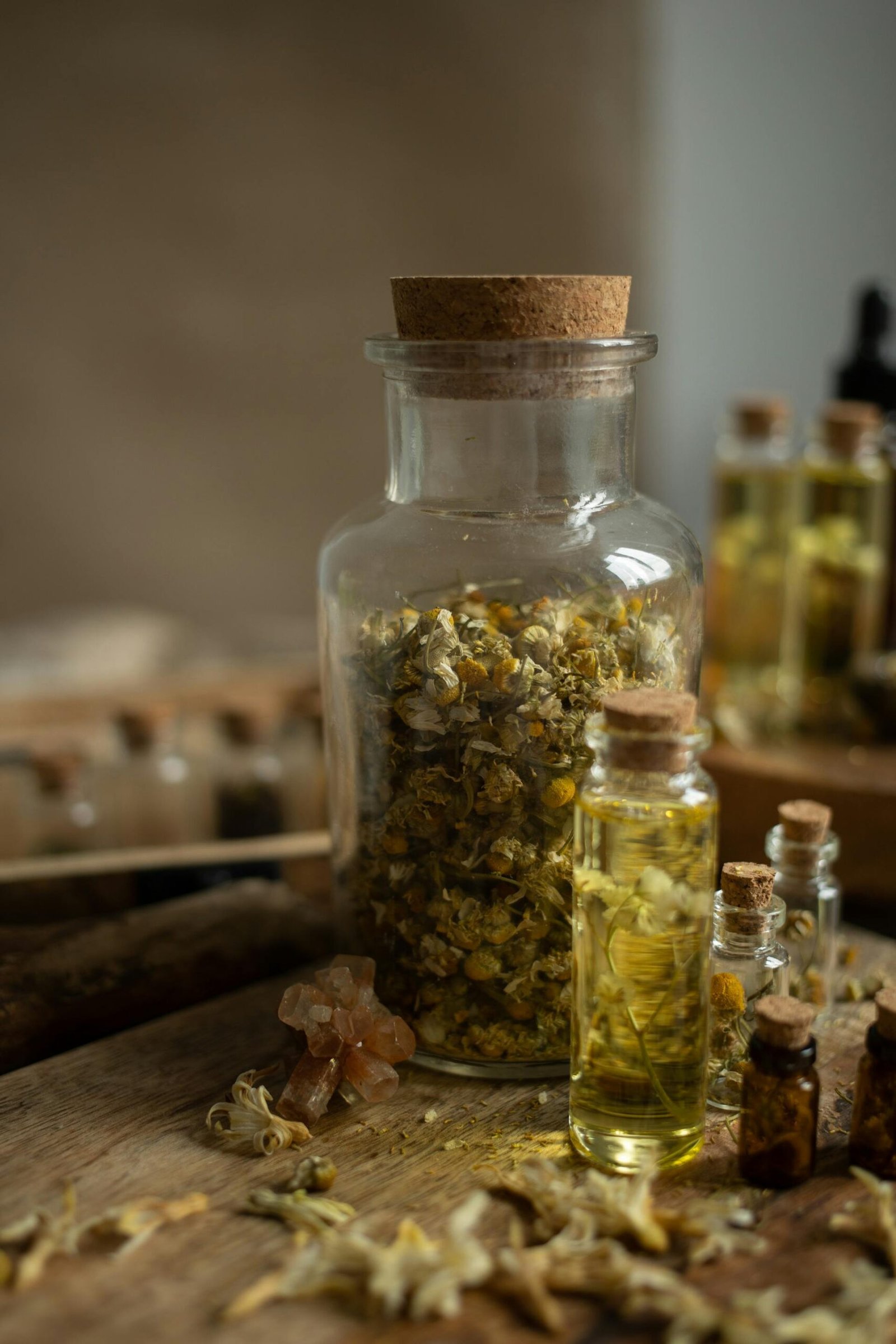
Chinese herbal medicine uses individual herbs and complex formulae — some containing ten or more ingredients — that have been refined over centuries of clinical use. Unlike Western herbal prescribing, which often focuses on individual herbs for specific symptoms, Chinese herbal formulae are precisely tailored to the individual’s pattern of disharmony as diagnosed through TCM principles. Common formula categories address conditions including digestive weakness, blood deficiency, heat and inflammation, kidney deficiency, and liver Qi stagnation — patterns that correspond to a wide range of Western diagnoses from IBS and anxiety to infertility and chronic fatigue.
What Conditions Can TCM Help With?
People seek TCM for an enormous range of health concerns. Common presentations include chronic pain, fatigue, stress and anxiety, sleep disturbance, digestive problems, women’s health (including menstrual irregularities, endometriosis, fertility challenges, and menopause), skin conditions, allergies, respiratory conditions, and immune support. TCM is also valued for its preventative approach — supporting overall vitality and resilience before illness develops.
TCM and Western Medicine: Complementary, Not Competing
Most people who use TCM do so alongside conventional medical care, not instead of it. TCM can support the body through treatments like chemotherapy, address side effects of pharmaceutical drugs, or provide ongoing management for chronic conditions that conventional medicine controls but does not resolve. A skilled TCM practitioner will work collaboratively with your medical team where relevant and will always refer on when appropriate.
What Happens in a TCM Consultation?
A TCM consultation is a thorough and holistic process. The practitioner will ask detailed questions about your main complaint and all body systems, observe your tongue (which reflects the state of the internal organs in TCM diagnosis), take your pulse (feeling for qualities at multiple positions that correspond to different organs), and consider your constitution, lifestyle, diet, and emotional wellbeing. From this, they identify your individual TCM pattern and create a personalised treatment plan.
Online TCM consultations follow the same thorough process. Tongue diagnosis is done via photograph or video, and pulse-taking is replaced by other diagnostic information gathered through detailed questioning. For many conditions — particularly those managed with Chinese herbal medicine, dietary therapy, or acupressure guidance — online consultation is entirely effective.
Is TCM Safe?
When practised by a qualified, professionally registered practitioner, TCM is safe and well-tolerated. At Paean Therapy, all practitioners are trained to the highest standards and hold appropriate professional registration. Chinese herbal medicines are prescribed individually and sourced from reputable suppliers to ensure quality and safety. Any potential interactions with medications are always checked.
Book a Traditional Chinese Medicine Consultation Online
Whether you are exploring TCM for the first time or are already familiar with it, an online consultation with Paean Therapy offers you expert, personalised care from the comfort of your home. We take the time to understand your unique pattern of health and create a treatment plan that addresses root causes — not just symptoms. Book your online TCM consultation today.
Talk through your situation with one of our practitioners
A free 15-minute discovery call with one of our practitioners is the easiest way to see if working together is the right next step.
References
- Bensoussan A et al. (1998). Treatment of IBS with Chinese herbal medicine: RCT. JAMA, 280(18), 1585–1589.
- Liu JP et al. (2006). Herbal medicines for IBS. Cochrane, (1), CD004116.
- Tan HY et al. (2013). Chinese herbal medicine for atopic eczema: systematic review. JAAD, 69(2), 295–304.
- Chen Z et al. (2024). Herbal medicine for Hashimoto’s thyroiditis: network meta-analysis. Journal of Ethnopharmacology, 322, 117663.
- Register of Chinese Herbal Medicine.
- NIMH.
Disclaimer: This page is for informational purposes only and does not constitute medical advice. Herbal medicine should not replace treatment recommended by a qualified medical professional. Always consult your GP before making changes to your medication or treatment plan. The practitioners at PAEAN Therapy are registered with the National Institute of Medical Herbalists (NIMH).