
Introduction
Eczema — known medically as atopic dermatitis — is one of the most prevalent chronic skin conditions in the United Kingdom, affecting an estimated 1 in 5 children and 1 in 10 adults. Characterised by dry, itchy, inflamed skin, eczema can significantly impact quality of life, causing sleep disruption, low self-esteem, and considerable discomfort. While conventional treatments such as topical steroids and emollients remain the standard of care, many people in the UK are now exploring homeopathy for eczema as a complementary or alternative approach.
In this guide, we explore what homeopathy is, the evidence for its use in skin conditions, the remedies most commonly used for eczema, and how to find a qualified homeopath in the UK.
What Is Homeopathy?
Homeopathy is a holistic system of medicine developed in Germany in the late 18th century by Samuel Hahnemann. It is based on the principle of “like cures like” — the idea that a substance that causes symptoms in a healthy person can, in highly diluted form, stimulate the body’s own healing response in someone experiencing those same symptoms.
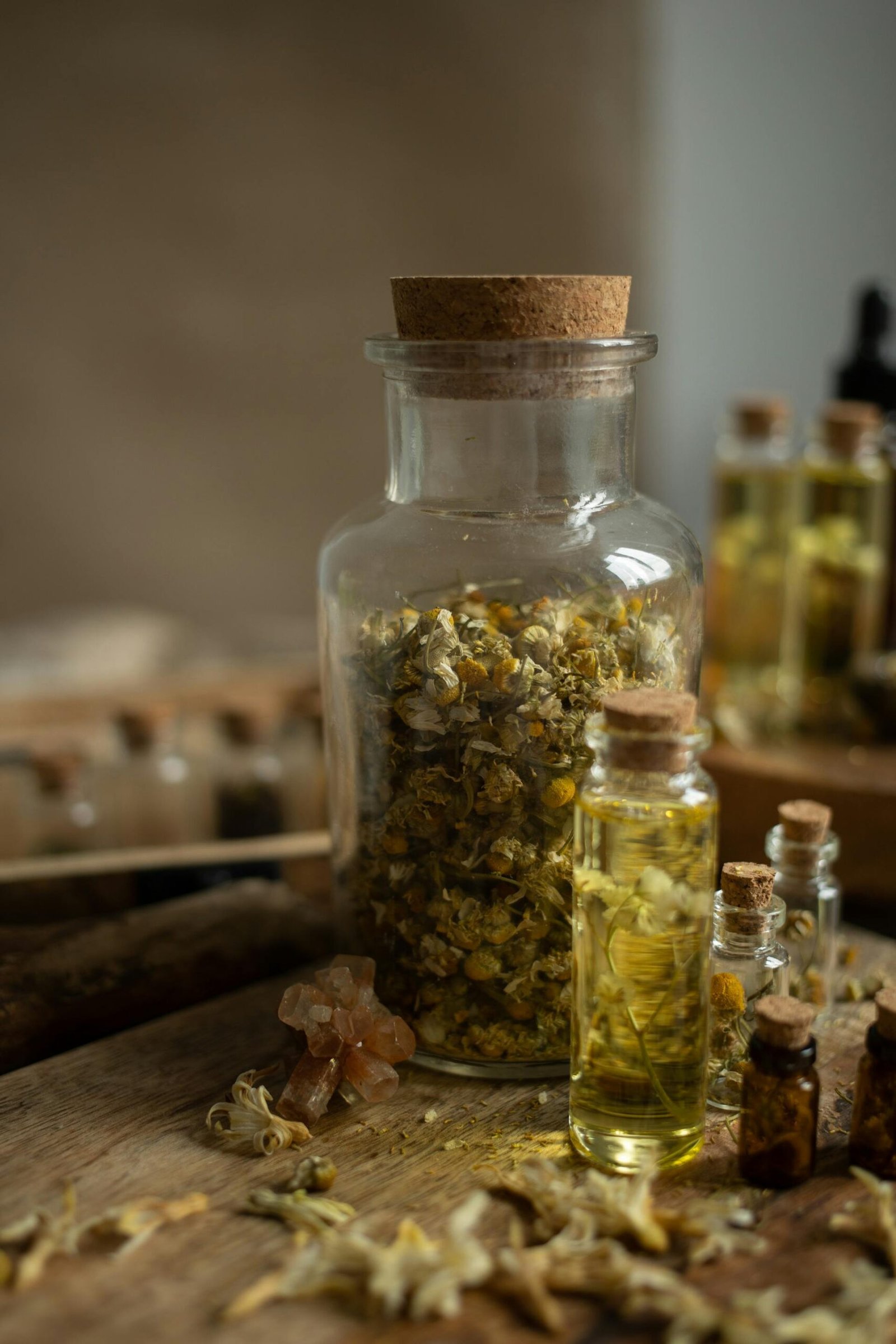
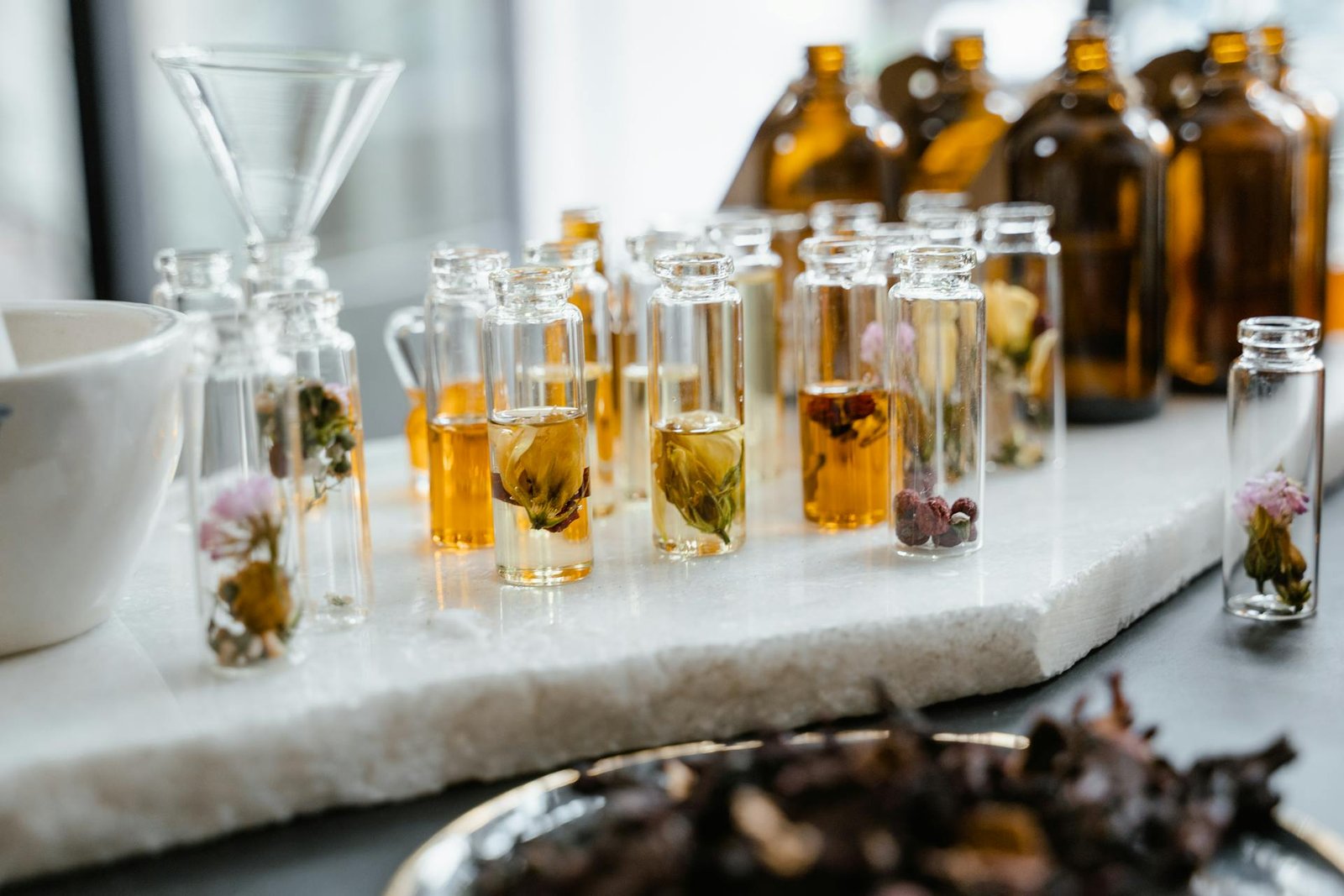
Homeopathic remedies are prepared through a process of serial dilution and succussion (vigorous shaking), producing highly diluted preparations that are believed to retain the energetic “imprint” of the original substance. Remedies are made from a wide range of natural sources, including plants, minerals, and animal products, and are entirely free from chemical side effects.
Crucially, homeopathy is individualised — a qualified homeopath does not simply prescribe a remedy based on your diagnosis alone. They take a detailed case history covering your physical symptoms, emotional state, lifestyle, and personal history to identify the remedy that best matches your unique profile.
Homeopathic Remedies Commonly Used for Eczema
Several homeopathic remedies are frequently considered for eczema, depending on the individual’s specific symptom picture:
- Sulphur – often indicated for intensely itchy, burning eczema that worsens with heat and bathing; skin may appear rough, red, and scaly
- Graphites – suited to thick, crusty eczema with a sticky, honey-like discharge; particularly common behind the ears, in skin folds, or on the hands
- Arsenicum album – for dry, burning eczema with restlessness and anxiety; symptoms often worse at night and in cold conditions
- Mezereum – indicated for eczema with thick scabs and violent itching; skin may ooze and form crusts, particularly on the scalp
- Natrum muriaticum – often helpful when eczema is linked to emotional stress or suppressed grief; skin tends to be dry and prone to cracking
- Rhus toxicodendron – for intensely itchy, vesicular (blister-like) eczema that is relieved by warmth
Remedy selection should always be made by a qualified, registered homeopath after a thorough consultation. Self-prescribing is not recommended for chronic conditions like eczema.
What Does the Research Say?
The evidence for homeopathy in skin conditions is an area of active investigation. A 2014 systematic review by Mathie et al., published in Systematic Reviews, assessed the evidence from randomised controlled trials of individualised homeopathic treatment and found some positive signals across a range of conditions. The review is available at published research.
Research specifically looking at homeopathy for atopic dermatitis is more limited, but a number of observational studies and case series have reported improvements in eczema severity and quality of life following individualised homeopathic treatment. A prospective observational study published in the Journal of Alternative and Complementary Medicine found significant improvements in eczema scores in patients treated with constitutional homeopathy over a 12-month period.
Mainstream medical bodies including the NHS note that the evidence base for homeopathy remains contested; however, many patients report meaningful benefits, and the safety profile is excellent. The NHS provides information on complementary therapies at NHS.uk.
Addressing the Root Cause: A Holistic Approach
One of the core principles of homeopathy — and of holistic medicine more broadly — is that symptoms such as eczema are expressions of an underlying imbalance rather than isolated problems to be suppressed. A holistic approach to eczema may therefore include:
- Dietary assessment – identifying and addressing potential food sensitivities (common triggers include dairy, gluten, eggs, and certain nuts)
- Gut health support – emerging research links the gut microbiome to skin health via the “gut-skin axis”; herbal medicine and probiotics may help
- Stress management – psychological stress is a well-documented eczema trigger; mindfulness, CBT, and relaxation techniques can be beneficial
- Environmental triggers – identifying and reducing exposure to household chemicals, synthetic fabrics, and airborne allergens
Homeopathy addresses the constitutional state of the whole person, making it well-suited to a holistic, integrative approach to skin health.
Conventional Treatment and Homeopathy: Working Together
Homeopathy is best viewed as a complement to, not a replacement for, conventional eczema care — particularly for moderate to severe presentations. Many people choose to use homeopathic treatment alongside prescribed emollients and topical steroids, with the aim of gradually reducing their dependency on steroid creams over time under medical supervision.
Always inform your GP if you are using any complementary therapies. Most NHS doctors are supportive of complementary approaches provided they do not interfere with prescribed treatment.
Finding a Qualified Homeopath in the UK
In the UK, homeopaths are not currently regulated by statute (unlike doctors and physiotherapists). However, reputable voluntary registers provide assurance of training and professional standards. When seeking a homeopath, look for practitioners registered with:
- The Society of Homeopaths (RSHom) – the largest professional body for homeopaths in the UK. Find a member at homeopathy-soh.org
- The British Homeopathic Association – advocates for access to homeopathy and maintains a directory of healthcare professionals who practise homeopathy. See britishhomeopathic.org
Conclusion
For many people in the UK, eczema is a long-term condition that conventional treatment alone does not fully resolve. Homeopathy for eczema offers an individualised, whole-person approach that seeks to address the underlying imbalance driving skin symptoms, rather than simply suppressing them. With a strong safety profile and a growing body of observational evidence, it is a genuine option worth exploring — particularly for those seeking a natural, integrative approach to skin health.
At PAEAN Therapy, we offer homeopathic consultations with experienced, registered practitioners. Book a consultation today to discuss how homeopathy might help your eczema.
Talk through your situation with one of our practitioners
A free 15-minute discovery call with one of our practitioners is the easiest way to see if working together is the right next step.
References
- Tan HY et al. (2013). Chinese herbal medicine for atopic eczema: systematic review. JAAD, 69(2), 295–304.
- Sheehan MP, Atherton DJ (1992). Traditional Chinese medicinal plants in atopic eczema. British Journal of Dermatology, 126(2), 179–184.
- Wang Z et al. (2022). CHM for atopic dermatitis: 8 high-quality RCTs. Frontiers in Pharmacology, 13, 927304.
- Mathie RT et al. (2014). Individualised homeopathic treatment: meta-analysis. Systematic Reviews, 3, 142.
- NICE (2007, updated 2023). Atopic eczema in under 12s (CG57).
- NIMH.
Disclaimer: This page is for informational purposes only and does not constitute medical advice. Herbal medicine should not replace treatment recommended by a qualified medical professional. Always consult your GP before making changes to your medication or treatment plan. The practitioners at PAEAN Therapy are registered with the National Institute of Medical Herbalists (NIMH).