
Introduction
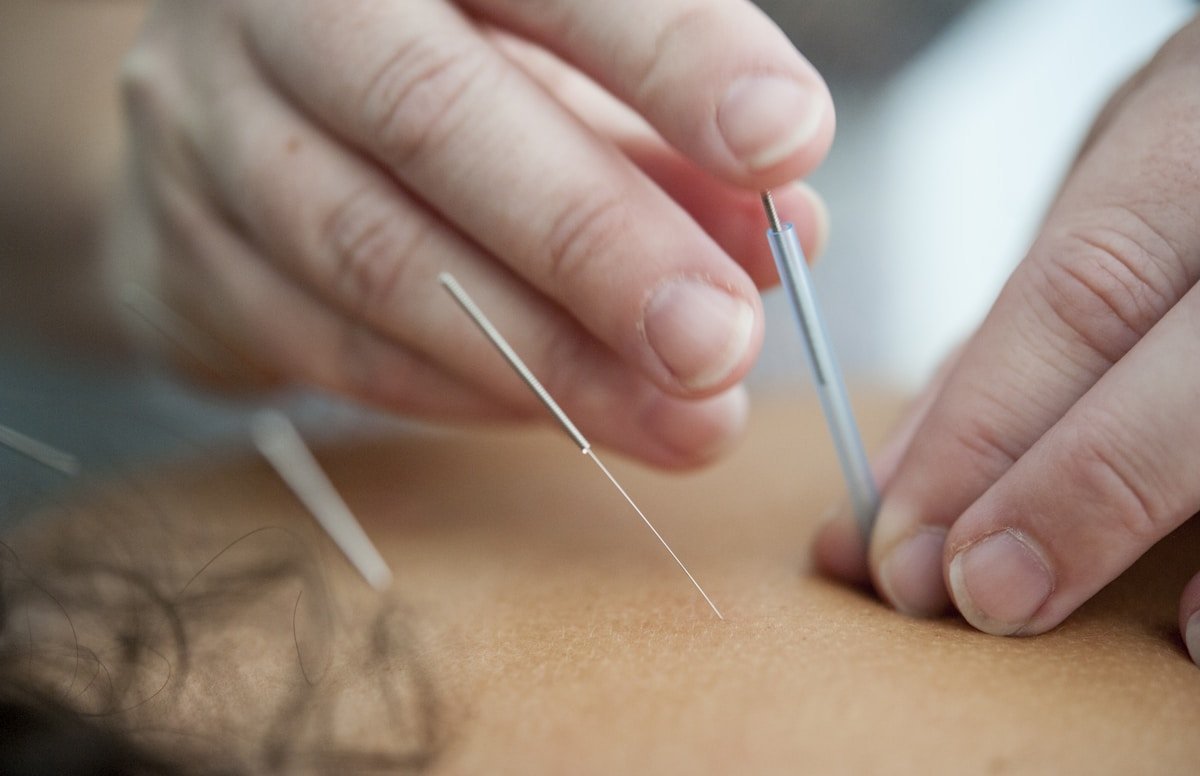
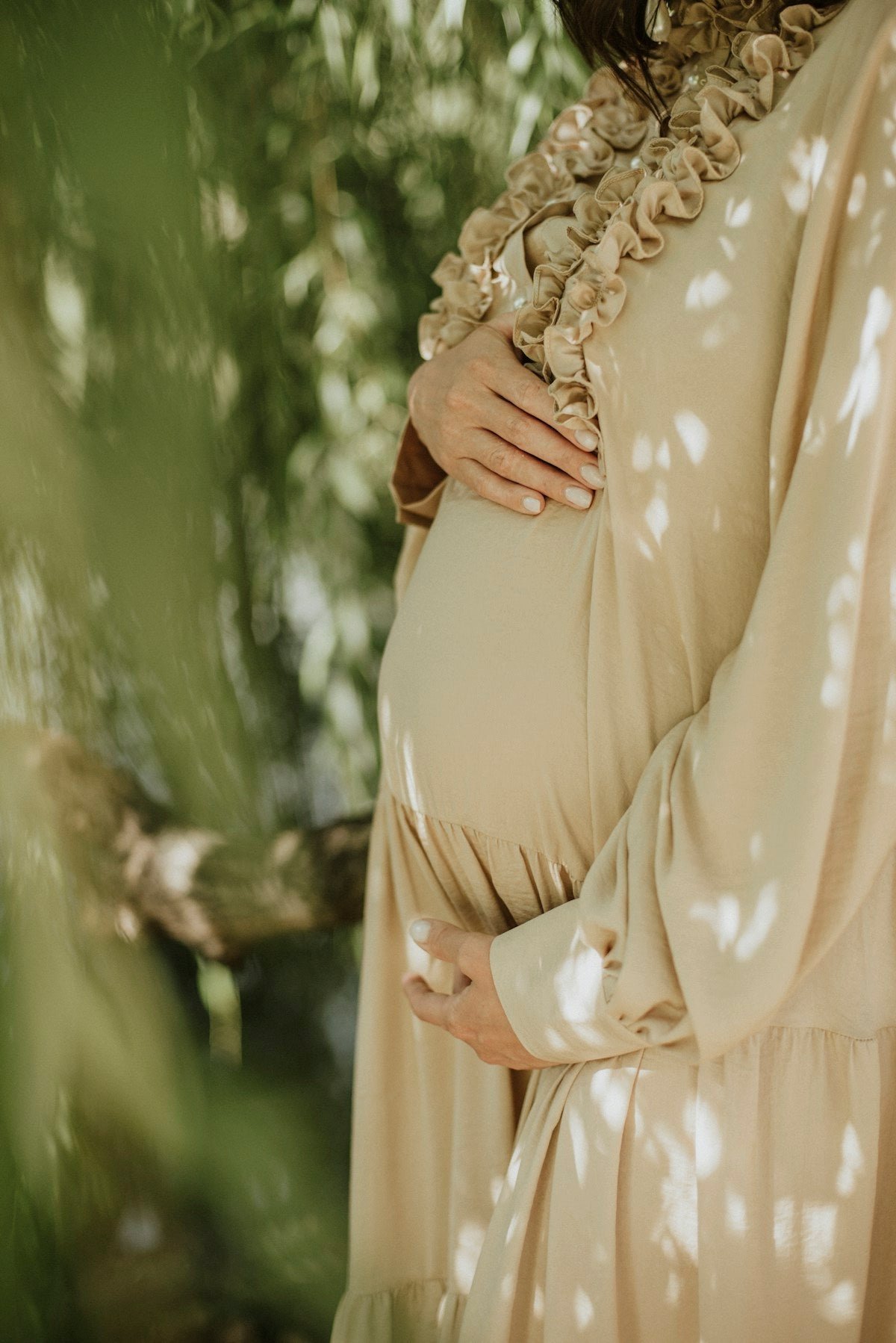
Fertility challenges affect a significant number of couples in the UK. According to the NHS, around 1 in 7 couples in the UK may have difficulty conceiving. With the rising cost of IVF treatment — a single cycle on the NHS is available to fewer patients than ever, and private cycles can cost £5,000–£10,000 or more — many people are exploring every possible way to optimise their chances of conception. Acupuncture for fertility has become one of the most popular complementary approaches, sought by those trying to conceive naturally as well as those undergoing assisted reproductive technology (ART) such as IVF and IUI.
In this guide, we review what the evidence says about acupuncture and fertility, how it may help, what to expect from treatment, and how it fits alongside conventional fertility care in the UK.
How Might Acupuncture Support Fertility?
From a Traditional Chinese Medicine (TCM) perspective, fertility is deeply connected to the balance of Kidney energy, the quality of Blood (in the TCM sense), and the smooth flow of Qi through the reproductive system. Conditions such as irregular cycles, endometriosis, PCOS, poor sperm quality, and recurrent miscarriage are understood as manifestations of underlying imbalances that acupuncture can address.
From a Western biomedical perspective, acupuncture may support fertility through several mechanisms:
- Hormonal regulation – acupuncture may influence the hypothalamic-pituitary-ovarian (HPO) axis, helping to regulate FSH, LH, oestrogen, and progesterone levels
- Improved uterine blood flow – acupuncture has been shown to increase blood flow to the uterus, which may improve endometrial receptivity and implantation
- Stress reduction – the psychological burden of fertility treatment is significant; acupuncture activates the parasympathetic nervous system and reduces cortisol, which can adversely affect ovulation and implantation
- Ovarian response – some research suggests acupuncture may improve ovarian response to stimulation in women undergoing IVF
- Sperm quality – acupuncture has been studied for its effects on sperm motility, morphology, and concentration in men with subfertility
The Evidence: Acupuncture and IVF
The evidence on acupuncture for IVF is a rapidly evolving area. Early high-profile trials, including a landmark 2002 study by Paulus et al., showed significantly higher clinical pregnancy rates in women receiving acupuncture on the day of embryo transfer compared to controls (42.5% vs 26.3%). This generated enormous interest and led to widespread adoption of “transfer day acupuncture” in fertility clinics.
More recent systematic reviews have produced mixed results, largely owing to the difficulty of designing a credible placebo condition for acupuncture. However, a 2018 comprehensive Cochrane review examining acupuncture for IVF concluded that the evidence, while inconclusive for live birth rate, suggested some benefit for clinical pregnancy rate when acupuncture was given close to the time of embryo transfer.
A more nuanced picture emerges from research focusing on longer-term acupuncture treatment (rather than just treatment on the day of transfer). Several clinical experts and fertility acupuncturists recommend beginning treatment at least 3 months before egg collection — a period aligned with the approximately 90-day maturation cycle of an egg (folliculogenesis) — to optimise egg quality, uterine health, and hormonal balance before stimulation begins.
Conditions Where Acupuncture May Be Particularly Helpful
Acupuncture may be especially beneficial for fertility in the following contexts:
- Unexplained infertility – where no structural cause has been identified and holistic optimisation may make a significant difference
- Polycystic ovary syndrome (PCOS) – one of the most common causes of irregular ovulation in the UK; acupuncture has been studied for its effects on androgen levels, menstrual regularity, and insulin sensitivity in PCOS
- Endometriosis – acupuncture may help manage pelvic pain associated with endometriosis and support implantation
- Poor ovarian reserve – some evidence suggests acupuncture may support follicular development in women with diminished ovarian reserve
- Recurrent implantation failure – improving uterine blood flow and endometrial receptivity
- Male factor infertility – acupuncture may improve sperm parameters in men with oligospermia or poor morphology
- Stress and anxiety related to fertility treatment – reducing the psychological impact of the fertility journey
What to Expect: The Fertility Acupuncture Journey
A specialist fertility acupuncturist will begin with a detailed consultation covering your menstrual history, previous investigations and treatment, lifestyle, diet, sleep, and emotional wellbeing. Treatment is highly individualised — your protocol will be tailored to your specific TCM diagnosis, your stage in the menstrual cycle, and whether you are trying to conceive naturally or undergoing IVF.
A typical course of fertility acupuncture involves weekly sessions, with treatment adapted to the different phases of the cycle (follicular, ovulatory, luteal) or the stages of an IVF cycle (downregulation, stimulation, transfer, and two-week wait). For IVF specifically, many practitioners offer sessions before egg collection, on the day of transfer, and in the two-week wait to support implantation.
Treatment is gentle and relaxing — many patients find acupuncture one of the most calming aspects of what can be an otherwise demanding and anxiety-provoking fertility journey.
Acupuncture Alongside Conventional Fertility Treatment
Acupuncture is entirely compatible with IVF, IUI, and other forms of ART, and does not interfere with fertility medications. It is best viewed as a complementary therapy that works alongside — and may enhance — conventional treatment, rather than as an alternative to it.
Many NHS fertility clinics and private IVF clinics in the UK are now supportive of patients receiving acupuncture alongside their cycles. It is always advisable to inform both your fertility consultant and your acupuncturist about all treatments you are receiving, to ensure a coordinated approach.
Finding a Qualified Fertility Acupuncturist in the UK
Not all acupuncturists have specialist training in fertility. When seeking acupuncture for fertility support, look for:
- Registration with the British Acupuncture Council (BAcC) at the British Acupuncture Council
- Additional specialist training or experience in fertility and reproductive health
- Familiarity with IVF protocols if you are undergoing assisted conception
The BAcC website allows you to search for members by location and specialist interest, including fertility.
Conclusion
Whether you are trying to conceive naturally or undergoing IVF, acupuncture for fertility offers a safe, holistic complement to your journey. By regulating hormones, improving uterine blood flow, reducing stress, and addressing the underlying constitutional imbalances that may be affecting your reproductive health, acupuncture takes a whole-person approach to supporting fertility that conventional medicine alone cannot provide.
At PAEAN Therapy, our experienced practitioners offer specialist fertility acupuncture in a warm, supportive environment. Book a consultation today to discuss how acupuncture can support your fertility journey.
Talk through your situation with one of our practitioners
A free 15-minute discovery call with one of our practitioners is the easiest way to see if working together is the right next step.
References
- Quan K et al. (2023). Acupuncture on IVF pregnancy outcomes: meta-analysis. Human Reproduction, 38(8), 1499–1512.
- Smith CA et al. (2018). Acupuncture vs sham acupuncture on IVF live births: RCT. JAMA, 319(19), 1990–1998.
- Manheimer E et al. (2008). Acupuncture and IVF pregnancy/live birth: meta-analysis. BMJ, 336(7643), 545–549.
- Cao H et al. (2013). Acupuncture and IVF clinical pregnancy: meta-analysis. Reproductive Biology and Endocrinology, 11, 84.
- NICE (2017). Fertility problems: assessment and treatment (CG156).
- National Institute of Medical Herbalists.
Disclaimer: This page is for informational purposes only and does not constitute medical advice. Herbal medicine should not replace treatment recommended by a qualified medical professional. Always consult your GP before making changes to your medication or treatment plan. The practitioners at PAEAN Therapy are registered with the National Institute of Medical Herbalists (NIMH).