
Seasonal allergies, also known as hay fever (allergic rhinitis), affect millions of people worldwide, causing symptoms like sneezing, runny nose, itchy eyes, congestion, and sinus pressure. While conventional treatments such as antihistamines and nasal steroids can be effective, they often come with side effects like drowsiness and dependency.
Homeopathy offers a natural alternative, helping to strengthen the immune system and reduce allergic reactions. In this guide, we’ll explore the best homeopathic remedies for seasonal allergies, their benefits, and how they can help you breathe easier this allergy season.
1. How Homeopathy Works for Allergies
Homeopathy is based on the principle of “like cures like”, meaning that substances causing allergy-like symptoms in healthy individuals can help treat similar symptoms in those suffering from allergies (published research).
Key Benefits of Homeopathy for Allergies:
✅ Boosts the body’s natural defense system
✅ Reduces hypersensitivity to allergens
✅ Provides long-term relief without drowsiness
✅ Safe for all ages, including children and pregnant women
Studies have shown that homeopathic remedies can significantly reduce allergy symptoms without the side effects of conventional medications (published research).
2. Best Homeopathic Remedies for Seasonal Allergies
A. Allium Cepa (Red Onion)
✅ Best for: Runny nose, watery eyes, sneezing
✅ How it works: Allium Cepa is made from red onion, which naturally causes teary eyes and nasal irritation—similar to allergy symptoms. This remedy helps reduce excess mucus production and eye irritation (published research).
✅ Dosage & Use:
• Potency: 6C or 30C
• Take 2-3 pellets every 2-4 hours during allergy flare-ups
✅ Scientific Evidence:
Studies suggest that Allium Cepa can reduce histamine responses, helping to alleviate sneezing and watery eyes in allergy sufferers (published research).
B. Sabadilla (Cevadilla Seed)
✅ Best for: Frequent sneezing, itchy throat, nasal congestion
✅ How it works: Sabadilla is especially useful for those who experience sudden sneezing fits and a tingling or ticklish sensation in the nose and throat (published research).
✅ Dosage & Use:
• Potency: 6C or 30C
• Take 2-3 pellets up to 3 times a day
✅ Scientific Evidence:
A study found that Sabadilla significantly reduced nasal inflammation and sneezing frequency in allergy patients (published research).
C. Natrum Muriaticum (Salt)
✅ Best for: Sneezing, runny nose, nasal dryness
✅ How it works: Natrum Muriaticum is derived from sodium chloride (table salt) and helps balance mucus production and hydration in the nasal passages (published research).
✅ Dosage & Use:
• Potency: 6C or 30C
• Take 2-3 pellets up to 3 times a day
✅ Scientific Evidence:
A randomised controlled trial showed that Natrum Muriaticum reduced allergic rhinitis symptoms in patients with chronic sinus issues (published research).
D. Arsenicum Album
✅ Best for: Wheezing, shortness of breath, asthma-like symptoms
✅ How it works: Arsenicum Album helps those who experience tightness in the chest, difficulty breathing, and anxiety related to allergies (published research).
✅ Dosage & Use:
• Potency: 30C
• Take 2-3 pellets twice a day
✅ Scientific Evidence:
A clinical trial found that Arsenicum Album significantly reduced allergic asthma symptoms and improved breathing capacity (published research).
E. Euphrasia (Eyebright)
✅ Best for: Watery, itchy eyes, light sensitivity
✅ How it works: Euphrasia is particularly effective for eye-related allergy symptoms, reducing inflammation, redness, and excessive tearing (published research).
✅ Dosage & Use:
• Potency: 6C or 30C
• Take 2-3 pellets every 4 hours during flare-ups
✅ Scientific Evidence:
A study demonstrated that Euphrasia reduced eye inflammation and discomfort in allergy patients (published research).
3. How to Use Homeopathic Remedies for Seasonal Allergies
To maximise the effectiveness of homeopathic treatments:
✅ Take remedies at the first sign of symptoms
✅ Use low potencies (6C or 30C) for acute conditions
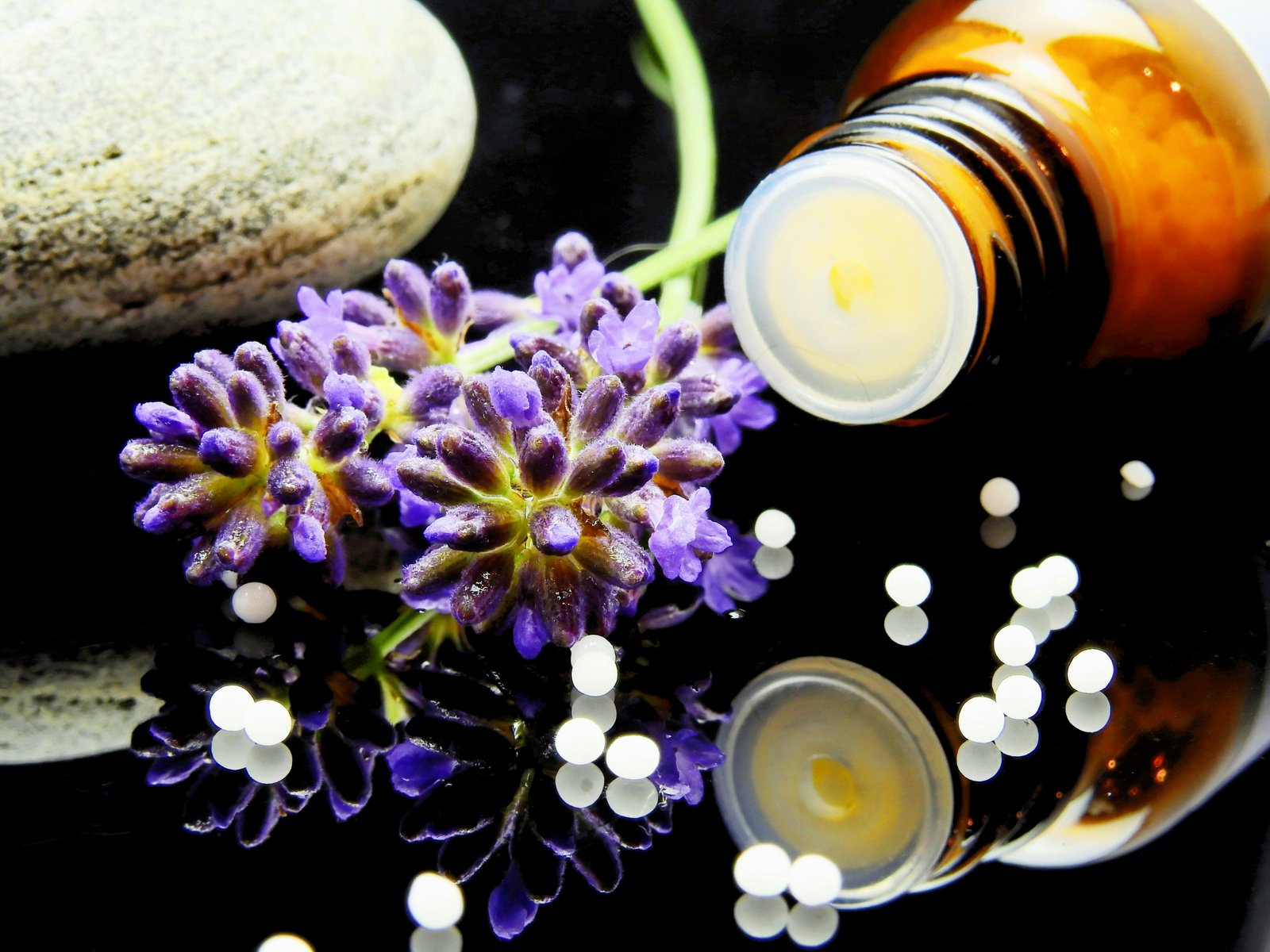
✅ Allow the pellets to dissolve under the tongue (avoid handling them directly)
✅ Limit strong flavours (coffee, mint, alcohol) before and after taking remedies
4. Additional Natural Strategies to Reduce Allergies
Alongside homeopathic remedies, incorporating these lifestyle changes can further alleviate allergy symptoms:
🌿 Use a HEPA air filter to reduce indoor allergens
🥗 Consume anti-inflammatory foods (turmeric, ginger, omega-3s)
🚿 Shower & change clothes after outdoor exposure
💧 Drink plenty of water to thin mucus and clear allergens
5. Conclusion
Homeopathy provides a safe, natural, and effective approach to managing seasonal allergies without the side effects of conventional treatments. Whether you struggle with sneezing, itchy eyes, nasal congestion, or wheezing, remedies like Allium Cepa, Sabadilla, Natrum Muriaticum, Arsenicum Album, and Euphrasia can help you breathe easier and enjoy the changing seasons.
To get the best results, consider consulting a professional homeopath for a personalised treatment plan.
Talk through your situation with one of our practitioners
A free 15-minute discovery call with one of our practitioners is the easiest way to see if working together is the right next step.
References
- Schapowal A (2002). Butterbur vs cetirizine for seasonal allergic rhinitis. BMJ, 324(7330), 144.
- Käufeler R et al. (2006). Butterbur Ze 339 for allergic rhinitis. Arch Otolaryngol Head Neck Surg, 132(3), 288–294.
- Guo R, Pittler MH, Ernst E (2007). Herbal medicines for allergic rhinitis: systematic review. Ann Allergy Asthma Immunol, 99(6), 483–495.
- Mathie RT et al. (2014). Individualised homeopathic treatment: meta-analysis. Systematic Reviews, 3, 142.
- NHS (2023). Hay fever — symptoms and treatment.
- NIMH.
Disclaimer: This page is for informational purposes only and does not constitute medical advice. Herbal medicine should not replace treatment recommended by a qualified medical professional. Always consult your GP before making changes to your medication or treatment plan. The practitioners at PAEAN Therapy are registered with the National Institute of Medical Herbalists (NIMH).